Source UV Printing Honey Bottle for Pickle, Jam, and Coconut Oil
Find 30 UV printing honey bottle options from verified Chinese manufacturers. Buyers can compare glass and plastic jars with twist caps or rubber stoppers, featuring screen printing and decal customization for food and beverage packaging needs.
Key considerations
Products List






Comprehensive Sourcing Guide
Strategic Sourcing Guide for UV Printing Honey Bottles
Understanding Technical Specifications and Material Integrity
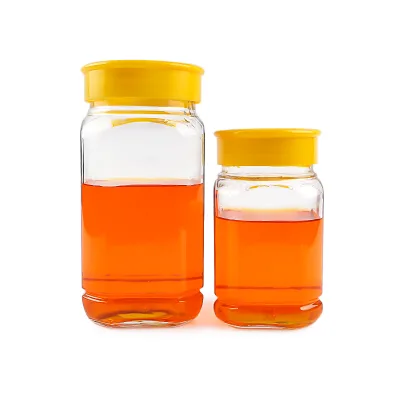
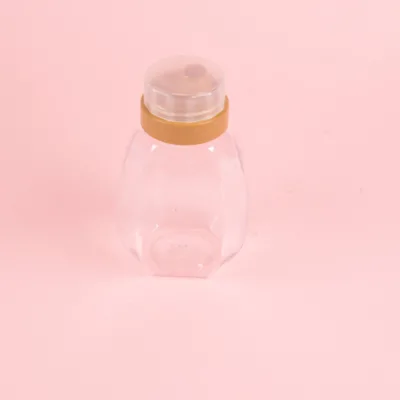
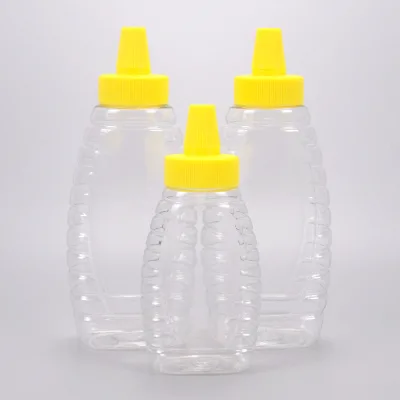
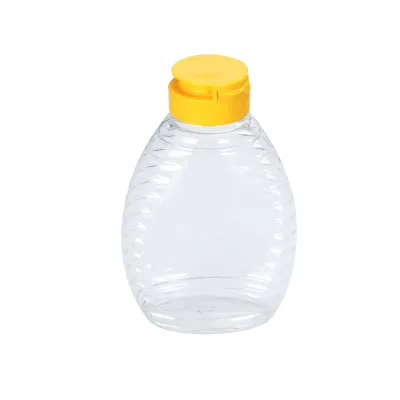
When sourcing UV printing honey bottles, the primary focus must be on the intersection of material compatibility and print durability. The supply chain for these specialized containers often features glass and plastic as the dominant substrate materials. Glass bottles, frequently cited in product data, offer superior barrier properties against moisture and oxygen, which is critical for preserving the viscosity and flavor profile of honey. These containers often come in specific shapes such as hexagonal, square, or round, with the hexagonal design providing a distinct aesthetic appeal that differentiates premium honey products in the market. Plastic alternatives are also available, offering a lighter weight and higher impact resistance, though they may require specific surface treatments to ensure UV ink adhesion.
The printing technology selected is a decisive factor in the final product quality. Screen printing remains a prevalent method in the industry, particularly for bold, opaque logos and text that require high opacity on dark glass surfaces. However, UV printing technology offers a distinct advantage by curing the ink instantly under ultraviolet light, allowing for high-resolution graphics, vibrant colors, and complex designs that screen printing cannot easily achieve. This process is particularly beneficial for "Customized" branding requirements, enabling buyers to produce small batches with unique designs without the high setup costs associated with traditional lithography. The product data indicates that customization is widely available, with options for decal application and private labeling, allowing for significant brand differentiation.
Volume specifications vary significantly across the supply base, ranging from small 25ml samples to large 380ml or even 700ml containers. The standard sizes observed include 25ml, 35ml, 70ml, 100ml, 80ml, 120ml, 180ml, 280ml, 380ml, 50ml, 200ml, and 300ml. Buyers must align these standard volumes with their specific product formulations. For instance, a 700ml bottle is explicitly noted for beverage or bulk honey applications, while smaller volumes like 100ml or 220ml are typical for retail gift sets. The sealing mechanism is equally important; twist caps are common for glass jars, ensuring an airtight seal that prevents crystallization, while rubber stoppers may be used for specific premium or laboratory-grade applications. The shape of the bottle, whether square, round, or hexagonal, also influences the printing surface area and the ergonomics of the final package.
Compliance, Certification, and Regulatory Alignment
Navigating the regulatory landscape is non-negotiable when sourcing food-grade containers. The primary concern for honey bottles is ensuring that the materials and the printing inks do not leach harmful substances into the food product. The supply data highlights the presence of FDA certification as a critical standard for many glass and plastic containers. This certification indicates that the materials meet the safety requirements set by the U.S. Food and Drug Administration for food contact substances. However, buyers must verify that this certification applies specifically to the finished product, including the ink used for UV printing, not just the base glass or plastic.
Beyond FDA compliance, the intended market dictates additional regulatory requirements. For export to the European Union, compliance with EU Framework Regulation (EC) No 1935/2004 is essential, ensuring that all materials in contact with food are safe. In other regions, such as China, local standards for food packaging materials must be met. The product data mentions "Premium quality glass" as a standard attribute, which suggests a focus on high-purity materials, but buyers should request specific migration test reports to confirm that heavy metals and other contaminants are within acceptable limits.
The printing process itself introduces potential chemical risks. UV inks must be formulated to be food-safe, particularly for direct contact applications. While the data indicates that "Customized" printing is available, it does not explicitly confirm that all UV inks used are food-grade. Therefore, a rigorous verification process is required where suppliers must provide declarations of compliance for the specific inks and coatings used in the UV printing process. This includes verifying that the ink does not contain hazardous substances such as lead, cadmium, or phthalates, which are strictly regulated in food packaging.
Cost Drivers and Economic Considerations
The cost structure of UV printing honey bottles is influenced by several dynamic factors, including material type, order volume, and customization complexity. The observed Minimum Order Quantity (MOQ) ranges from 50 to 6,000 units, with a specific high-confidence data point indicating an MOQ of 5,000 for certain customized runs. This wide range suggests that buyers can access the market at various scales, from small startups to large industrial manufacturers. However, the cost per unit is not linear; it typically decreases as the order volume increases due to the amortization of setup costs, particularly for the UV printing plates or digital file preparation.
Material costs represent a significant portion of the total price. Glass bottles generally command a higher price point than plastic alternatives due to the raw material costs and the energy-intensive manufacturing process. The data shows a price range of $0.1 to $15.9 USD, reflecting the vast difference between simple plastic containers and premium, heavy-gauge glass jars with complex UV printing. The "Customized" attribute often adds a premium to the base cost, as it requires additional steps in the production line, such as digital file verification, color matching, and quality checks for print alignment.
Lead time is another critical economic factor. The observed lead time for production is as short as 5 days for certain standard items, which is highly competitive. However, for fully customized orders involving UV printing, the timeline may extend to accommodate the curing and drying processes required for the ink. Buyers should also factor in shipping costs, as the "Shipping Way" options include both sea and air freight. Sea freight is more economical for large volumes but involves longer transit times, while air freight is faster but significantly more expensive. Payment methods such as T/T, Western Union, and PayPal offer flexibility, but the terms of payment can impact the overall cost of capital for the buyer.
Typical Applications and Market Segmentation
The versatility of UV printing honey bottles allows them to serve a diverse range of applications, from bulk industrial use to premium retail packaging. The product data explicitly lists "Food" and "Beverage" as primary usage categories, with specific mentions of honey, jam, pickle, coconut oil, and sweet products. This indicates that these containers are not limited to honey alone but are suitable for any viscous food product that requires a secure seal and attractive branding. The "Industrial Use" category also includes "Household Products," suggesting that these bottles can be repurposed for cleaning agents or other household viscous liquids, provided the chemical compatibility is verified.
The shape and volume of the bottle often dictate its market segment. Hexagonal glass jars with UV printing are frequently used for premium, artisanal honey brands that wish to emphasize quality and tradition. The unique shape allows for a larger surface area for branding, making the UV printing more visible and impactful. Square and round bottles, on the other hand, are often used for mass-market products where shelf space efficiency is a priority. The availability of volumes ranging from 25ml to 700ml allows buyers to target different consumer segments, from single-serve samples to family-sized containers.
Furthermore, the "Customized" nature of the printing enables targeted marketing strategies. Brands can use UV printing to create limited edition designs, seasonal packaging, or region-specific labels without the need for large inventory commitments. This flexibility is particularly valuable for small businesses and startups that need to test new markets or launch new product lines without the risk of overstocking. The ability to accept "Customized logo" and "Private label" services further enhances the appeal of these bottles for contract manufacturers and private labelers looking to build their own brand identity.
Supplier Evaluation and Quality Control Protocols
Evaluating suppliers for UV printing honey bottles requires a multi-faceted approach that goes beyond price comparisons. The location of the supplier, often cited as China, Zhejiang, or Jiangsu, provides a hub of manufacturing expertise, but it also necessitates careful due diligence. Buyers should verify the supplier's production capacity, specifically their ability to handle UV printing equipment and their experience with food-grade materials. The presence of "Full-automatic machine" in the product data suggests a high level of automation, which can improve consistency and reduce human error in the printing process.
Quality control is paramount in this sector. Buyers must establish clear acceptance criteria for print quality, including color accuracy, adhesion, and resistance to abrasion. The "Craft" attribute, which mentions "Decal" and "Screen Printing," indicates that different printing methods may be used, and the quality standards for each may vary. UV printing should be tested for durability, ensuring that the ink does not peel or fade when exposed to moisture or handling. Additionally, the sealing integrity of the bottle must be verified to prevent leaks, especially for viscous products like honey.
The "Certificate" attribute, specifically FDA, serves as a baseline for compliance, but buyers should request additional test reports for specific batches. This includes migration tests for the ink and the container material. The "Sample" availability mentioned in the data is a valuable resource for buyers to physically inspect the quality before committing to a large order. Buyers should also evaluate the supplier's packaging standards, as the "Pallet/Carton" and "Cases+Pallets" options indicate different levels of protection during transit. Proper packaging is essential to prevent breakage, especially for glass bottles, and to ensure that the UV print remains intact.
Long-Term Procurement and Sustainability Considerations
Sourcing UV printing honey bottles is not just a transactional activity but a strategic decision that impacts long-term brand value and sustainability goals. The "Volume" attribute, noting "Less Than 1 Liter" and specific sizes like 700ml, suggests that buyers should consider the environmental impact of the packaging size. Larger bottles may reduce the overall material usage per unit of product, but they also require more robust packaging and transportation logistics. The choice between glass and plastic also has significant sustainability implications. Glass is infinitely recyclable and has a lower carbon footprint over its lifecycle, whereas plastic, while lightweight, contributes to long-term waste issues unless it is made from recycled materials.
The "Customized" nature of the printing allows for the integration of sustainability messaging directly onto the packaging. Buyers can use UV printing to highlight eco-friendly attributes, such as "Recyclable" or "Made from Recycled Glass," which can resonate with environmentally conscious consumers. However, the inks used must also be eco-friendly, and suppliers should be able to provide information on the biodegradability or recyclability of the printed components. The "Lead Time" of 5 days is a significant advantage for just-in-time inventory management, reducing the need for large stockpiles and minimizing waste from unsold products.
Finally, the relationship with the supplier should be built on transparency and long-term collaboration. The "Payment Methods" and "Shipping Way" options indicate a flexible supply chain, but buyers should establish clear communication channels to address any issues that arise. The "OEM" availability suggests that suppliers are willing to work closely with buyers to develop custom solutions, which can lead to innovations in packaging design and functionality. By focusing on these long-term considerations, buyers can ensure that their sourcing strategy supports both business growth and environmental responsibility.
FAQs
What customization options are available for UV printing on honey bottles?
Customization is available with options for screen printing, decal application, and private labeling. Buyers can request specific logo designs and text, though the ink must be food-safe for direct contact with honey products.
Which certifications ensure the bottles are safe for food contact?
FDA certification is a key standard indicating compliance with US food safety requirements for materials. Buyers should verify that this certification covers both the glass or plastic substrate and the UV printing inks used.
What is the typical lead time for producing customized UV printed bottles?
The lead time can be as short as 5 days for certain standard items. However, fully customized orders involving UV printing may require additional time for curing and quality checks to ensure print durability.
Can I order small quantities of UV printed honey bottles?
Yes, Minimum Order Quantities range from 50 to 6,000 units depending on the supplier and customization level. Specific high-confidence data points an MOQ of 5,000 for certain customized runs, while others start lower.
What shapes and volumes are available for UV printed honey containers?
Available shapes include hexagonal, square, round, and oval designs with volumes ranging from 25ml to 700ml. Common standard sizes include 100ml, 220ml, 380ml, and 700ml for various retail and bulk applications.
How are UV printed honey bottles typically packaged for shipping?
Bottles are typically packed in cartons, cases, or on pallets to ensure protection during transit. The packaging method, such as cases plus pallets, is designed to prevent breakage, especially for glass materials.
What payment methods are accepted for sourcing these bottles?
Accepted payment methods include T/T, Western Union, and PayPal, offering flexibility for international buyers. These options allow for secure transactions while accommodating different cash flow needs for bulk orders.